New Clinic Location

We are enormously proud to have been asked to join the team at the The Centre for Complementary Health, in Petersfield. A long established and well respected centre, they offer a huge range of therapies that will help support you, no matter what your presentation.

Practicing on Friday afternoons, the receptionists will be happy to take your call and book you in, whether with us or with any of the other fantastic people who support you.

This of course means that the Alton hours are reverting back to Mondays and Thursdays, with extended opening on Monday afternoons.

New discount appointment offered

Whether you are a coppicer, hedgelayer, farmer, arborist, blacksmith, agricultural worker or rural craftsperson, you need your body to work to be able to earn.

But wonderful though the countryside is, the one thing it doesn’t offer you is a regular, white collar income. And so we are too often left waiting for the NHS physiotherapists and GPs to be able to see us, amidst overburdened and understaffed systems.

So we offer a rural workers discount. Book the slot, tell us your craft, and we will offer you treatment to get you back out doing the vital work to keep earning and the land living.

On being a god

So you want the body of a god. Pick your pantheon. Greek, Roman, Norse. All images are interpreted by artists and storytellers, so what you’re actually wanting is the body that a painter, sculpter or mosaicist created to symbolise their desires. I wanted the body of a god and got Dionysis.

Anyway, god, or goddess, it is.

First, to be like a god, live like one. Perhaps without the destruction and disinterest in the humans, but in other ways, train, sleep, eat like a goddess.

The norse gods would have had fish, grains, meat, washing it down with beer (mead is for celebrations). The greek or romans? Fresh fish, fruits and vegetables, olives, breads, cheeses. What you put in, is what you get out and eventually the body composition will follow the diet.

The one thing none of the diets would had would have been confectionary (other than sweet cakes, ambrosia and dried fruits), and processed foods.

As for training, for the greeks, lots of running, throwing, lifting (think olympic disciplines). The norse, heavier lifts, walking, hunting and rowing. They created their gods from what they knew.

To be like a god, first live like one.

What has any of this got to do with a sports injury clinic?

Firstly, I firmly believe that we forget the basics to follow the latest trend or fad. Secondly, we are what we consume. Thirdly, even the gods needed help and support sometimes and having an expert at your side when you go on the journey is a good thing.

We can offer nutritional reviews, training and planning support and treatment for those injuries sustained in the cause of achieving your goals.

Butterflies

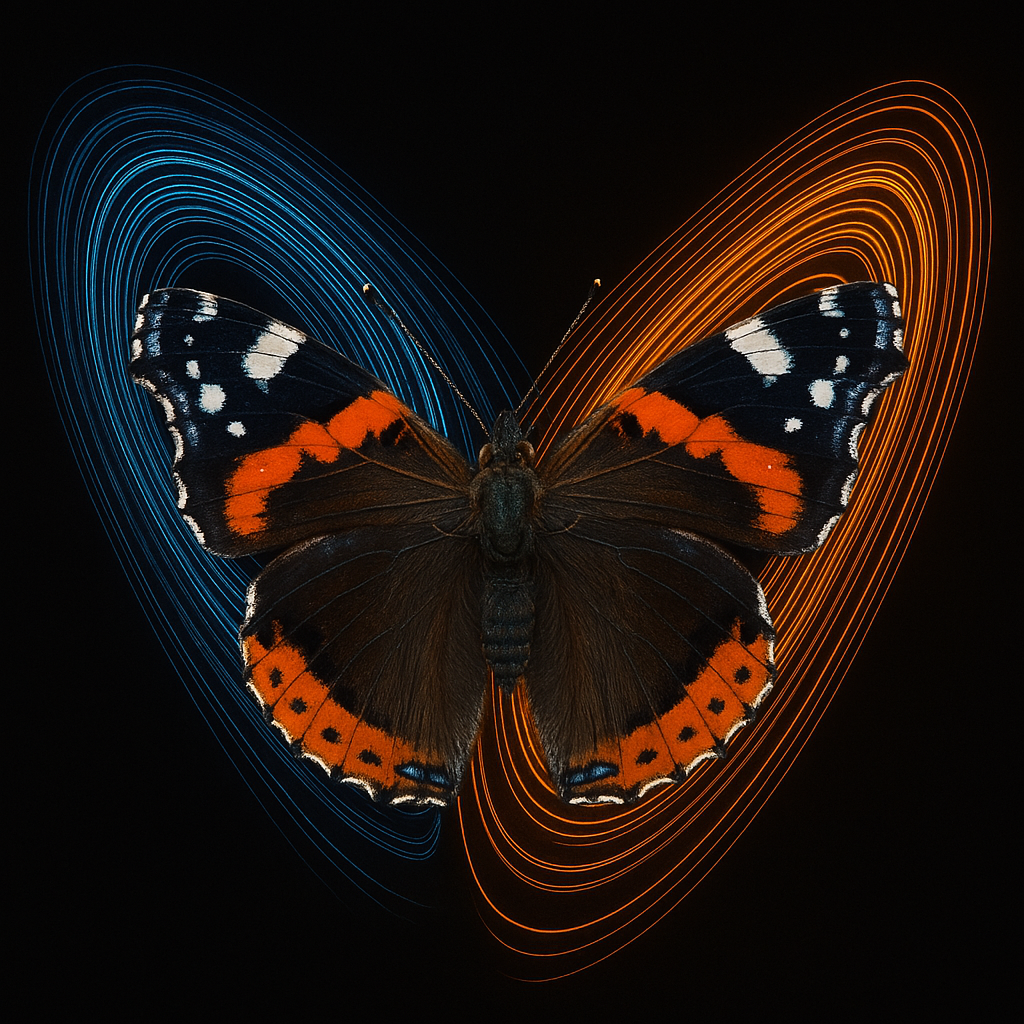
We’ve all heard of the butterfly effect? You haven’t? Fair enough. Its a thought experiment based on a Lorenz attractor to demonstrate the essentially chaotic and uncontrollable nature of reality.

Anyway. Butterfly effect. Small changes in the intial state, big outcomes a while later.

This is found pretty much everywhere we look, but rather than changes to a chaotic system, we can use it to understand that small improvements now can lead to big outcomes in the future, provided we know which of the inputs to poke.

And which inputs of course depends on the goal in mind.

Weight loss? Muscle building? Endurance? Finance? Relationship?

Weight loss? Start with nutrition, then recovery, then exercise.

Muscle building? Same as before, but with more short interval resistance work.

Finance? Spend less. Reduce debt, add income.

Relationships? Listen more. Be present, be the person you’d want to be with.

Seriously, thats it.

None of this stuff takes a 3 hour podcast, a 12 week online course or a retreat with skydancing, funny mushooms and undyed robes.

Do the basics, be relentlessly consistent, see postive change.

Understanding the Vagus Nerve: Myths vs. Facts

Stressed? Tired? Anxious? Run down? Digestive issues? Just not feeling the spark in the bedroom? Perhaps your Vagus Nerve needs resetting!

Or so many practitoners will try to persuade you. And of course they will share the secrets of their protocol for only 10 dollars and your email address.

Fact: The vagus nerve is the 10th cranial nerve, and one of the only ones that leave the skull to travel around the body (Vagus – Wanderer – Vagrant). In the case of the vagus nerve, it heads down the neck, outside of the spinal cord, and acts as the parasympathetic highway, adding control to the heart, digestion, major solid organs and even your response to inflammation.

So yes, if you are experiencing a huge variety of issues, then the vagus nerve is likely to be involved, especially if there is a psychological component.

However. A vagus nerve reset isn’t a secret protocol or a mystic trick, and it may not make all those issues go away, especially if you haven’t actually made a start at dealing with the underlying issues leading to them.

Want to reset your vagus nerve? Do anything that relaxes you. Breathing exercises, meditation, gentle rythmic exercise. As long as its not excessively stimulating and you enjoy it, it’ll work.

Some research also shows that there is a relationship between heart rate variability and the vagus nerve, and that asymmetric breathing (short nasal in, long pursed lip breath out), can help this.

When you look at it closely, most of the online information regarding resetting the vagus nerve is actually long term lifestyle management, with a funny hat. Change your diet, control your stress, exercise and train in a manner that supports your health. And most importantly, breathe.

Simple, cheap, effective.

And of course, always consult an expert when considering such things, to make sure that you are solving the correct problem.

The Importance of Proper Breathing for Health and Wellness

Have you ever felt your breath catch? An awe inspiring view, a new love across the room, a shock from unexpected news? Have you ever felt really short of breath, like there isn’t enough air in the room? Lots of things can make us feel short of breath, some exciting (the new love across the room, the view), some scary (the sound of unknown feet on a dark night, shocking news), exertion and even some diseases.

Therefore a caveat – if you think that your shortness of breath, particularly if linked with a new or persistant cough, could be of pathological origin, go and see your primary medical provider for assessment and treatment.

Breathing is the most fundamental process of life, something we have done since the moment we were born and the last thing we shall do. It is something we never notice until it becomes the only things we can do and is also, uniquely, one of the only autonomic actions that we can control.

Hold your breath. Just stop. No in, no out, just pause. If you are relaxing and have no known underlying issues, you should be able to last 20 – 30 seconds before the desire to breath kicks in. Physiologically, this desire is driven by the change in Carbon Dioxide, not the drop in Oxygen.

The ability to control your breathing, and your response to it, is a wonderful gift, that can help relieve headaches, reduce your perception of stress, control anxiety, increase athletic performance and even change your mood.

And, if your breathing is restricted mechanically, there is research based evidence that manual therapies can also help improve this, increasing your functional effective volume and respiratory mechanics, also helping with the above issues.

At the Clinic, we have spent years working with specialists and carrying out research ourselves on best ways to treat, unlock and improve breathing, from relaxation exercises to breath control systems, and manual therapies to address underlying function issues.

Book today online and talk to us to experience the benefits.

The empty tool box

At some point, the tool box is empty. There is nothing else you can offer. This is hard to acknowledge, both as a professional and a patient.

For a complementary practitioner, practicing honestly, this is the point where you have a conversation with the patient, and offer to refer on, either to a fellow professional or back to their medical practitioner.

For the hospital medic, they often carry out one more test, make a referral to another team or wait and see. This is almost always with the best intentions, but also because admitting you’ve reached the bottom of the toolbox is hard.

For the GP, at the front of patient care, it can be especially hard, since the patient has spent their life believing that medicine can fix whatever the problem is and finding out that there isn’t an easy pill, operation or test that can solve it all is challenging.

But sometimes it has to be admitted that the issue doesn’t have an answer, especially with some chronic conditions and mental health. Its at this point the person is vulnerable to quacks, charlatans and an alternative health tribe who offer an apparent quick fix in return for lots of money.

A lot of alternative treatments are wonderful, offer real benefits to people and can improve lives if used sympathetically and appropriately, but there are always grifters and con artists in every field.

Reiki may offer space, acupuncture can take a completely different view of a problem, an antidepressant can numb the emotions and help the patient get on with life, perhaps while waiting for the world to change around them, a painkiller can allow a return to activity that may help resolve the pain if well managed.

But sometimes, the toolbox is empty.

And then we have to get on with life anyway, rebuilding what we have into a structure that supports us now.

Find the tools that work for you, learn how to use them effectively, add to the box as often as possible and acknowledge that sometimes, the box is empty.

The many P’s of positive change

Go to the gym , do mental health walks, eat more healthily, practice gratitude? We’ve all heard that advice and probably been given it by well meaning professionals. Who then wonder why we have poor compliance.

Unless you’ve also got remarkable self discipline, you are not likely to be able to do those without some considerable effort and there is a simple reason why not.

Because they’re boring, hard work and don’t offer immediate feedback.

Who wants to go for a walk if its raining. Who wants to go to the gym, get hot and tired and not see any results for weeks or months? Why eat that healthy balance of plants, proteins and starches that apparently will help improve longevity if its dull, bland and tedious.

When choosing an activity to do, or trying to make a change, it has to fulfil at least three of the following criteria:

Practical, physical, productive, progressive, pleasurable, profitable, purposeful.

Food, exercise, learning, they all need at least 3 from that list.

So rather than just going to the gym (physical), work out how to make it purposeful and progressive, so you get a little hit of reward from doing it. Don’t just lay up the plate of plants and nuts because you’ve seen an influencer doing it online, but make sure its actually pleasurable and purposeful as well.