Being human

Sometimes we forget what it means to be human. We have forgotten that we are merely vertical mammals in a semi hostile environment and only when this is challenged do we wake up from our technological torpor and realise just how close to the edge of existence we are. 

So in this season of reflection, lets ponder on how we can be more human. 

Move more. We evolved to move for survival yet these days we rarely need to. Not moving frequently is a short step to oncoming death.

Eat less and more varied. Once we have finished growing, we don’t need to eat more than we burn or require for physical repair or performance. Occasional fasting is no bad thing if you are fundamentally healthy.  And, as wanderers we ate a much more varied diet compared to now. The more varied our pallette, the broader the nutritional intake available. 

Drink less, smoke nothing. What is the point of poisoning yourself? Occasional alcohol, at seasonal festivals is not a problem. But that will almost certainly be far less than you currently consume.

Be useful. Without a supportive society we would be dead. From birth to death you are reliant on those around you. So be useful. Check on your neighbours, learn first aid, spend time at a local charity you support, give to a food bank. You never know when you will need it returned. 

Remember the basic rules of life: Be compassionate. You are what you do and say. Discipline and consistency are the only way to achieve anything. 

So go forth, be awesome and have a healthy break. You’ve earned it. 

When the going gets tough;

Stop.

Breathe.

Think: Do I really need to be putting myself through this, is there a more efficient way?


If you’ve been banging your head against the same problem 42 times, perhaps the 43rd attempt won’t solve it either.

If its a workout, or a programmed training session, then dig in buttercup, the outcome is worth the effort. The same if its a challenging work scenario with a defined goal.

But if the task has no defined goal, no finishing line and seems apparently insoluble, then perhaps you need to take a break and reflect.

It could be that someone has been down that route before and talking to experts could save you hours of time.

It could be that “we’ve always done it that way” isn’t actually the best anymore.

And it could be that, however good your intentions, the goal isn’t going to fit your long term plan.

Stop, breathe, think.

Then get going again.


One way or the other

Momentum – the force that allows something to continue or to grow as time passes. 

Inertia – the tendency to remain the same. 

Starting something is tough. There is always a reason not to do it, a task that’s more important, an article that needs to be read. 

In physics, we have the concepts of inertia and momentum, as defined above (roughly). These apply everywhere in life, from starting the car to changing a habit. 

Starting takes energy and consistency, you need to give the job attention and drive. 

But once it’s rolling, it takes far less to keep going. 

So, put some energy into your big goals and watch them become easier to achieve. 

And, if you need professional advice or support, ask. 

Big Rocks

We all know that exercise is important, that is is the best medicine.

But there’s never enough time.

It takes too long to drive to the gym, change, follow the program card, shower, drive home.

So many of us aim to do it like that, its what the experts and celebrity magazines tell us we need to do.

The experts. The people who own gyms. The fake celebs with too much time on their sponsored wrist watches.

The people who make money from our seldom used good intention memberships.

These people would prefer it if we ignored the less commercial solutions.

There are, of course, many benefits to a well set up gym. Resistance work has been shown to be hugely effective at preventing a wide range of medical issues as we age. They can be sensible for many people, both from a medical and a personal safety perspective (not everyone feels happy walking or running around the darker areas of town). Training with a group or a qualified coach can be far more motivating than on your own.

And sometimes the best gym is your front room, a kettlebell and mat. A brisk walk, a few swings, a few squats, a bit of stretching, 30 minutes. Current advice shows huge benefits are gained from only 30 minutes a day of moderate activity. A 30 minute morning walk, with a few stretches after.

No machines, no noisy sound systems, no strutting peacocks.

Your music, or silence. Privacy, so no body anxiety. No travelling. And a free shower after.

Whatever your exercise style, make it a big rock, something that is really important to you, and figure out how to put it in the bucket first.

Even if that means a 5am alarm.

Its a better start to the day that pretty much anything else.


Simple is not the same as easy.

Losing weight is simple. Burn more energy than you consume.

Getting fitter is simple. Train smart as well as harder. 

Being richer is simple. Earn more, spend less.

But is never seems to work like that. It is the details that hold us back. Losing weight generally means losing bodyfat, and the techniques required for that depend on your starting point. Getting fitter is similar. Starting from zero, anything is an improvement, but the closer we get to the goal, the more the process has to be refined. 

And, the further we go into the weeds to find the shortcuts, the more complex it all seems to become. We can get snowed under in the details, the little things that seem to become important in the eyes of a self proclaimed expert.

Keep in mind, the simple things. Fuel well, drink water, move more. And if you get lost or stuck, come back to those.

As for getting rich? Find something you enjoy doing most of the time (no one loves their job every day) study hard, try to find a balance between work and play, and don’t spend as much as you bring in. Good luck!


Get the basics right first 

It doesn’t matter what supplements you take, what your morning ritual looks like, who your guru is or whether you prefer goji berries, blueberries or beetroot as your preferred superfood, if you’re not getting stronger, faster or any achieving any measure you’re aiming for, there’s something not working. 

Nothing happens without enough sleep, enough water, enough high quality macronutrients. If you don’t get the basics sorted first, you’re building your castle on sand. 

So before you start spending on the latest expensive magic product, check you’re getting:

7- 8 hours restful sleep

2-3L water / fluids

75-150g protein

Plenty of vegetables and berries

No? 

Figure those out then move forwards. Basic consistent steps climb mountains. 

Listen to your gut

Too often you’ve heard the phrase “You are what you eat”. But have you considered the effect of what you eat on your performance, mentally and physically?

We all know caffeine can give you a pre workout boost, carbohydrate drinks are sometimes necessary for energy during a long session and a good recovery meal helps you prepare for the next one. We also know that some people suffer from significant allergies and intolerances that have a huge impact on their lives.

But what if what you were consuming was having a negative effect on you? Not catastrophically but in little ways. That the bread roll with your soup at dinner had triggered a little bit of gut irritation which reduced your capacity to perform through mediated inflammation? That a spot of reflux and indigestion from eating too late and too much had stiffened up your thoracic spine, leading to an inability to squat as efficiently?That the beer to celebrate a good result had set off a minor chain reaction leading to a niggling injury due to reduced healing capacity? That the fructose in your sports drink started a series of cravings for other sugary treats later in the day?

All of these are not uncommon cases of tiny adverse reactions to food and drink, but we too often ignore them. Thats not to say that we need to be utterly soulless and controlling about our diets, simply aware that what we put in has a dynamic and often medium term effect on our ability to perform optimally.

Pay a little more attention to the effect of what you consume and reap the rewards long term.

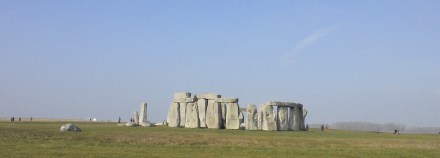
Context!

Everything needs to be seen within the correct context.

stone crop 2

Unless you know English landscape history fairly well, this is just a man standing next to a rock. And even if you did, you couldn’t be certain what you were looking at.

If we zoom out and look at a larger scale, is becomes this:

complete stone

Stonehenge 2016, Copyright T. Saltmarsh


But even then, this is not fully seen within the true context of its historical environment, with the additional burial barrows, the ditches and the surrounding landscape, mythological and physical.

The same comes when we are treating or working with clients, whether elite athletes or older people.

If we cannot see the bigger picture, or insist on just treating the problem they presented with, we will not be able to solve the problem effectively. A knee sprain may not heal if we don’t work with the coaching  staff to ensure the athlete gets corrective exercise prescription or time off lower limb loading. An older patient may not regain full range of motion if they are afraid of falling and therefore do not attempt the mobility plan you recommend. A desk bound client will still have the recurrent shoulder problems if they don’t tell you the whole story about the work and family related stress, or at least acknowledge to themselves that it exists.

So don’t just look at the rock, block or restriction, zoom out and take into consideration the environment it exists in.


Why you don’t need your osteopath

If you can squat, full range of motion, feet together and flat on the floor, arms above your head, you don’t need your osteopath.

If you can train without unexpected pain or discomfort, you don’t need your osteopath.

If you can be in one position for a long period of time (for example driving to competition) and know how to unstick yourself, you don’t need your osteopath.

If you can jump out of bed after a good nights sleep and not “feel your age”, you don’t need your osteopath.

If you do a regular mobility practice and have a solid knowledge of how to get yourself moving out of most issues, you don’t need  your osteopath.

Otherwise, call us and we’ll teach you: 01420 544408

And keep our number close for those acute, it just happened, injuries as well!


Focus on the now

Buddists and other meditators claim that there is no past, no future, only now. Yet we spend most of our time ignoring whats in front of us and instead thinking about what has been or what might be, not being in our heads and focusing on the immediate task. This is not to say that planning (an almost unique skill in humans) is not vital, as otherwise we would be wasting ourselves spinning in circles watching a small screen, but this long term plan has to be combined with appropriate action now.

From a movement perspective, when coaching clients in new patterns, I use 2 key words  as triggers. Attention and Intention. What is the attention on and what is the intention. For example, moving the shoulder joint, the attention is on the joint, the way it feels and glides, while the intention is that the arm should move slowly and under control at all times. Many find this very hard to do as the mind tends to rebel against focusing on just one thing. The same is with running, the attention cannot be on the whole activity, as  we cannot cope with such input, but instead on just feeling the push off, or the chest postion, or another skill.

A five minute challenge, when moving next time, ask yourself: Where is my attention? What is my intention? Not just in a movement pattern but when working as well, it may provide some interesting results.